Homosexual Terminology in Classical Chinese Literature
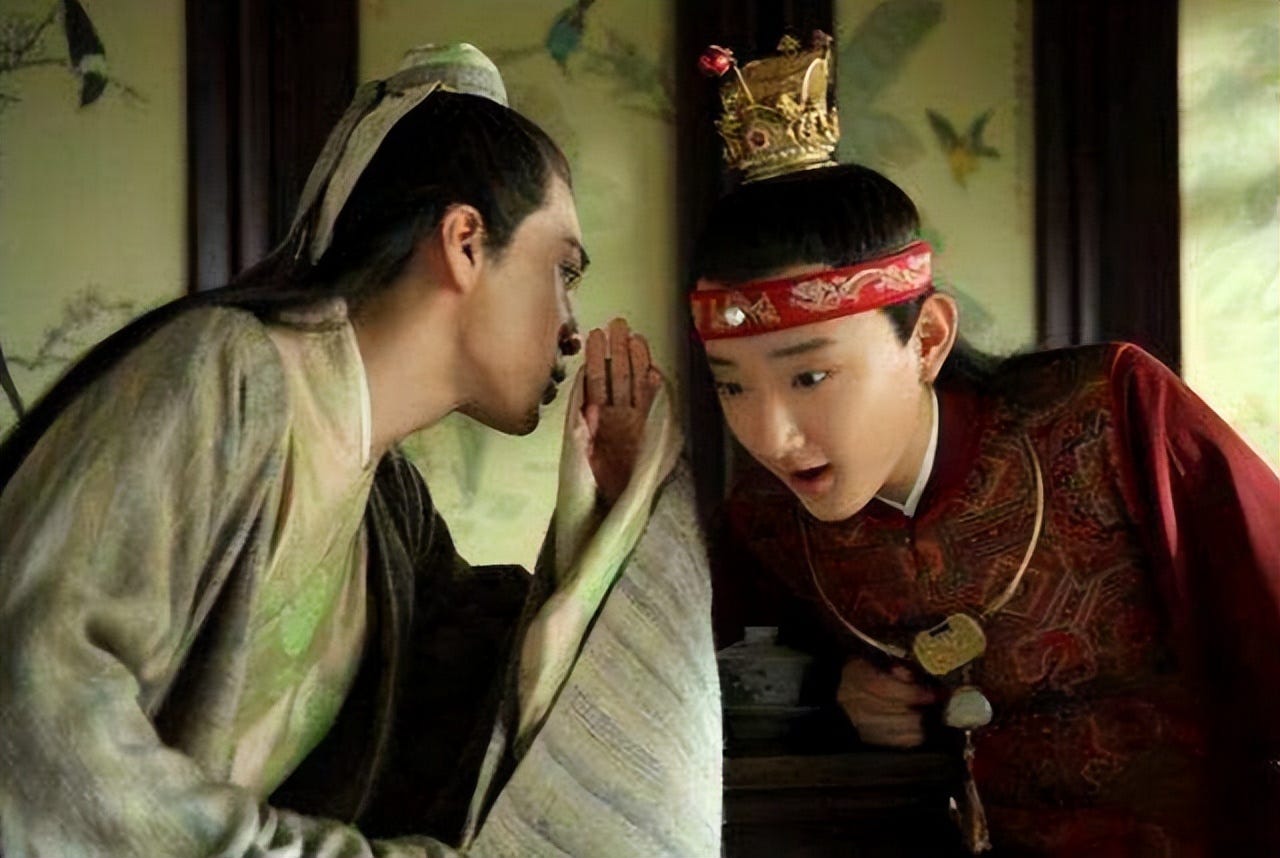
Since chapter 9 is filled with all sorts of homosexual activity, we might as well take a look at some of the literary terms used to refer to homosexual activity.
Though it might seem a little bit unusual if you haven’t been exposed to it yet, euphamisms for same-sex sexuality weren’t quite as rare in classical Chinese literature as you might think.
We’ve already seen a few so far:
龍陽之興, or “the interests of Long Yang” refers directly to homosexuality. Long Yang was the homosexual lover of King Anxi of Wei during the Warring States period of Chinese history.
貼燒餅, which literally means “to stick shaobing together,” refers directly to homosexual activity.
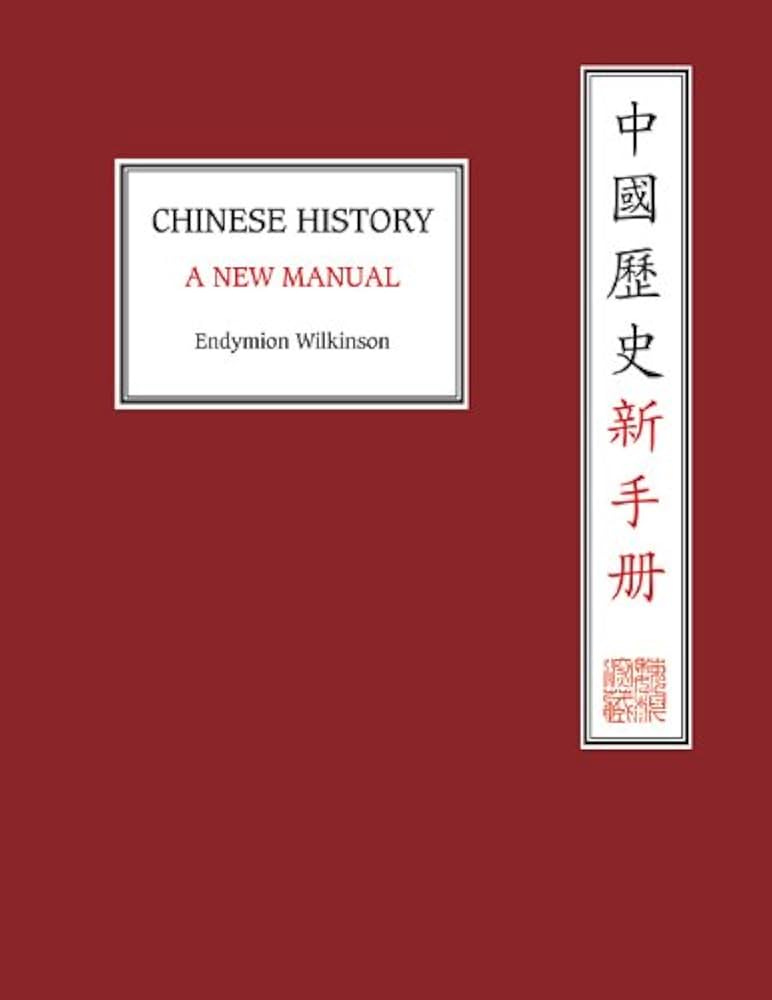
And there are more, too. Here are a few that I’ve pieced together from Chinese History: A New Manual by Endymion Wilkinson: