


The Other Side of Wang Xifeng
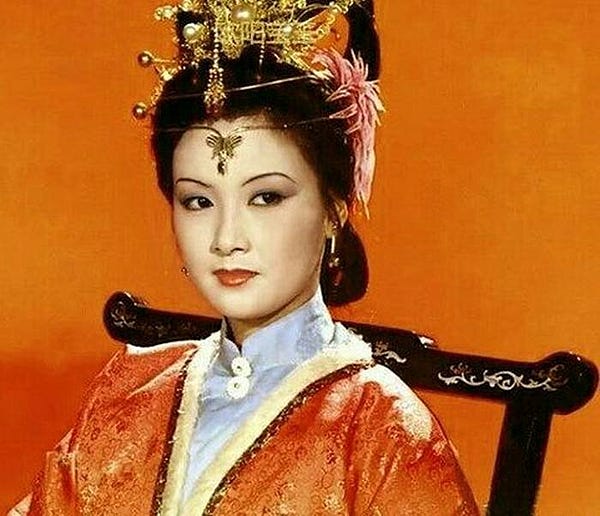
Our modern literary age is the age of the Mary Sue.
If you’re not familiar with the terminology, I’ll explain what a Mary Sue is. This is a character who has no weaknesses or character flaws at all.
It’s common to see this type of character introduced by inexperienced authors. The stereotype is that a Mary Sue is supposed to be a young female character, one who suddenly possesses all knowledge and wisdom, one who can fight any battle and will always win, and one who sucks up all the attention in any scene.
It’s also pretty common for the author to write himself or herself in as a Mary Sue character.
Of course, most people don’t talk much about the natural corollary of the Mary Sue protagonist. You’ve also got villains who are as evil and treacherous and stupid as humanly possible.
It’s no longer enough to have a villain who is simply opposed to whatever the hero is doing. These days the villain must be murderous and licentious, to the point of committing genocide for self pleasure. We’re not just interested in a good person who winds up doing bad things for good reasons, like in The Godfather. These days we seem to want to see superheroes and supervillains, the over exaggerated representations of our innermost social worries and desires.
I bring all of this up because Wang Xifeng is basically the opposite of this trend. She’s a strong female character, certainly. She makes decisions that are very controversial, sure. But she’s also got a side to her that is very human, and that invites compassion.
